The Importance of an Optical Measurement System in Industrial Applications
Optical measurement systems play a crucial function in commercial applications. They offer high accuracy and help with non-contact measurement, which is necessary for safeguarding delicate elements. These systems boost operational effectiveness and advertise quality control. Nevertheless, their execution is not without challenges. Understanding their value and the intricacies involved can brighten their transformative potential in modern-day manufacturing. What are the certain advantages and challenges that these systems existing?
Comprehending Optical Measurement Equipments
Optical measurement systems play a necessary duty in various commercial applications by offering precise and precise information collection. These systems utilize light to measure physical buildings such as dimensions, surface accounts, and material attributes. The basic components normally consist of lasers, cams, and sensors that capture and evaluate light mirrored from things. By employing techniques such as interferometry and photogrammetry, these systems can find minute adjustments in shape and dimension, which are crucial for quality control and product consistency.Furthermore, optical measurement systems are non-contact, permitting them to assess delicate or elaborate products without creating damages. They are functional, locating applications in fields like aerospace, vehicle, and electronic devices making. The assimilation of innovative software for data analysis boosts the performance of these systems, enabling real-time monitoring and responses. As industries progress, the importance of optical measurement systems continues to grow, supporting the need for higher precision and performance.
Trick Benefits of Optical Measurement in Production
While standard measurement techniques commonly entail physical call and can introduce errors, the adoption of optical measurement systems in manufacturing offers considerable benefits. These systems use non-contact methods, lessening the threat of damages to sensitive elements and ensuring the stability of measurements. Optical measurement supplies high precision and accuracy, making it possible for makers to achieve limited resistances necessary in competitive markets.Additionally, the rate of optical measurement systems improves efficiency. optical fibre diameter analyser. Fast data procurement permits real-time tracking, helping with immediate modifications in production processes. This performance leads to decreased waste and improved source allocation.Furthermore, the flexibility of optical systems accommodates a variety of products and geometries, making them appropriate for various applications. Their capacity to incorporate flawlessly with automation innovations sustains Industry 4.0 campaigns, promoting smarter manufacturing environments. On the whole, the vital advantages of optical measurement contribute substantially to improving quality control and functional performance in modern production setups
Applications of Optical Measurement Systems
Optical measurement systems play an essential role in various industrial applications, particularly in improving precision during producing procedures. They are essential to quality assurance and guarantee, guaranteeing that items fulfill stringent requirements. In addition, these systems sustain research and advancement campaigns by providing exact information for technology and improvement.
Accuracy in Manufacturing Processes
In modern manufacturing, high precision is essential for making sure product high quality and operational efficiency. Optical measurement systems give sophisticated capabilities that significantly boost accuracy throughout the manufacturing procedure. These systems use light and imaging technologies to catch comprehensive measurements of components, allowing manufacturers to attain limited tolerances and accurate dimensions. By incorporating optical measurement right into manufacturing process, companies can quickly identify deviations from specs, thereby decreasing waste and reducing rework. Moreover, the non-contact nature of optical measurements enables examining fragile or delicate products without threat of damages. Eventually, the adoption of optical measurement systems fosters a society of accuracy in manufacturing, leading to boosted performance and competition in the marketplace.

Quality Control and Assurance
Quality guarantee in producing greatly counts on exact measurement strategies to ensure that items meet established requirements. Optical measurement systems play an essential duty in this process, making it possible for accurate analyses of dimensions, surface area high quality, and various other essential functions of manufactured goods. By utilizing high-resolution imaging and innovative analysis formulas, these systems find deviations from specs, making certain uniformity throughout production. Additionally, optical dimensions can be non-destructive, maintaining the integrity of items while assisting in fast analyses. The assimilation of these systems right into high quality control protocols enhances effectiveness and lowers waste, eventually adding to improved product reliability. As sectors endeavor for excellence, the adoption of optical measurement modern technologies comes to be progressively essential for preserving affordable benefit and customer fulfillment.

Research and Growth Applications
As markets venture for innovation, optical measurement systems have actually arised as a necessary tool in research and growth applications. optical fibre diameter analyser. These innovative systems supply accurate dimensions of materials and components, enabling engineers and researchers to get important insights right into their homes and efficiency. Optical measurement modern technologies, such as laser scanning and interferometry, assist in the quick prototyping of new styles and the optimization of existing products. By capturing high-resolution information, researchers can identify defects and assess the effect of various specifications on product functionality. In addition, these systems sustain interdisciplinary collaboration, bridging spaces between various fields of research. The integration of optical measurement systems into R&D refines inevitably increases development timelines and fosters the development of cutting-edge options in different industrial fields
Contrasting Optical Measurement to Conventional Approaches
In comparing optical measurement systems to standard approaches, several essential variables arise, including accuracy and accuracy. In addition, the rate of measurement and cost-effectiveness play significant duties in determining the suitability of each strategy for industrial applications. This analysis highlights exactly how developments in optical technology might offer benefits over traditional strategies.
Precision and Accuracy
Optical measurement systems offer considerable benefits in accuracy and precision compared to typical measurement methods. These systems use innovative technology, such as lasers and high-resolution cams, to catch dimensional data with minimal error. In contrast, standard techniques often depend on mechanical tools that can introduce irregularity due to human error or material wear. Optical systems can achieve micrometer-level accuracy, guaranteeing consistent results even in complex geometries. In addition, they give non-contact measurement, reducing the risk of damaging delicate elements. This capability is especially valuable in markets where tolerances are critical, such as aerospace and automobile manufacturing. The fostering of optical measurement innovation enhances quality control and reduces the chance of flaws, inevitably boosting general manufacturing effectiveness.
Speed of Measurement
The benefits of optical measurement systems prolong beyond accuracy and precision to include substantial enhancements in measurement speed. Traditional measurement approaches usually call for prolonged setups and hand-operated computations, which can decrease manufacturing processes. In comparison, optical systems use sophisticated modern technologies such as laser scanning and imaging, making it possible for quick data procurement and processing. This effectiveness enables for real-time dimensions, assisting in quicker decision-making in making environments. The capacity to record large volumes of data in a brief time improves throughput and productivity, providing organizations an affordable side. In addition, with reduced measurement times, optical systems decrease downtime connected with inspections, additionally improving procedures. Consequently, the speed of measurement in optical systems substantially adds to general functional efficiency in industrial applications.
Cost-Effectiveness Analysis
A thorough cost-effectiveness analysis exposes that optical measurement systems often supply substantial economic advantages over traditional methods. These systems commonly decrease the demand for substantial physical configurations, decreasing labor prices and downtime throughout measurement processes. Optical techniques can additionally produce faster results, causing raised performance and reduced operational expenses. Additionally, the precision provided by optical dimensions reduces the chance of expensive errors, which can occur from hands-on interventions and standard strategies. In the future, the preliminary investment in optical technology is commonly offset by savings in sources, time, and boosted product high quality. Subsequently, sectors that embrace optical measurement systems may find themselves not just boosting performance yet additionally attaining a much more beneficial cost-benefit ratio compared to standard techniques.
The Role of Automation in Optical Measurement
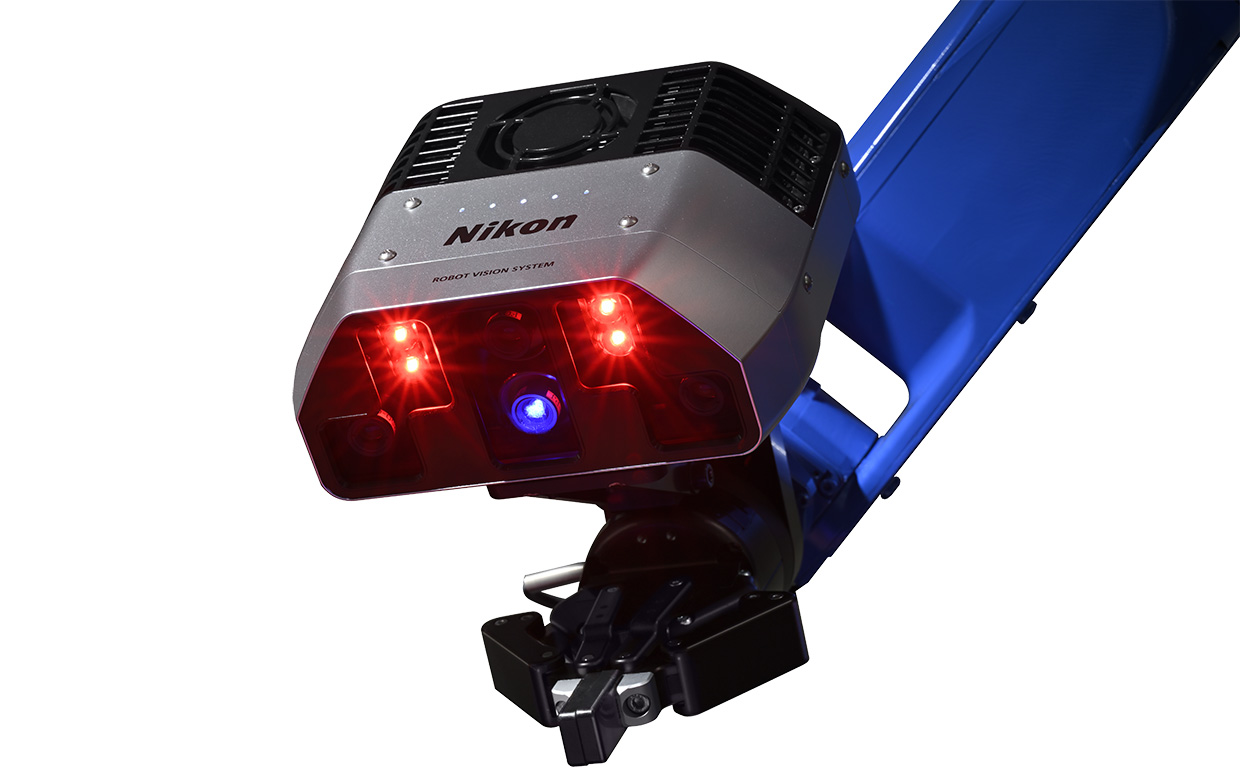
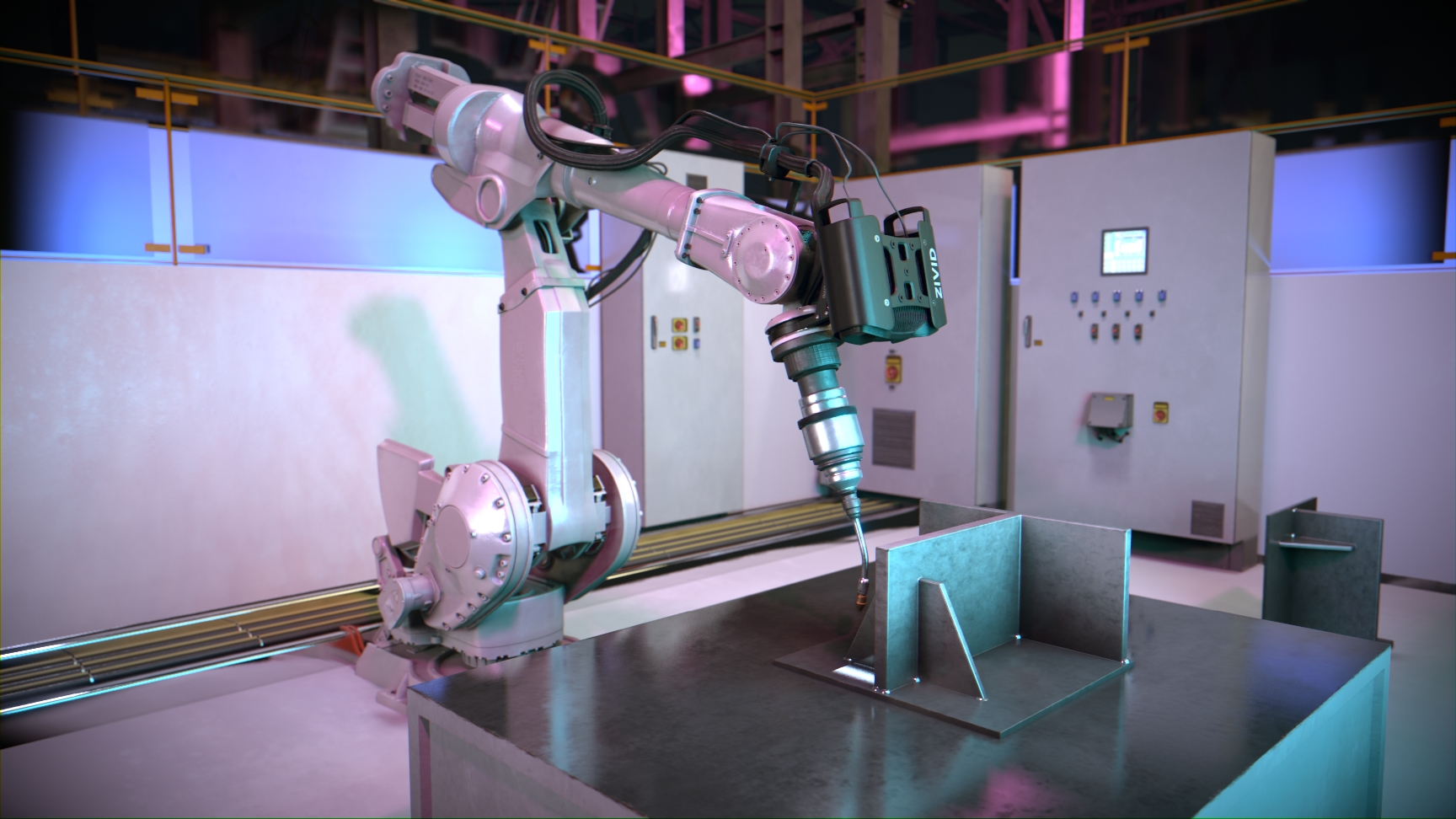
While several sectors significantly count on accuracy and effectiveness, automation has actually arised as an essential part in boosting optical measurement processes. By incorporating automated systems, companies can significantly boost measurement accuracy and minimize human error. Automated optical measurement systems make use of innovative algorithms and sensing units to give real-time data analysis, assisting in quicker decision-making and procedure adjustments.Additionally, automation allows for consistent measurements throughout numerous manufacturing runs, ensuring that quality requirements are preserved. The scalability of automated optical measurement systems makes them ideal for varied applications, from quality assurance in making to inspection in semiconductor production.Furthermore, these systems can be seamlessly integrated into existing manufacturing configurations, promoting a smooth change in the direction of more efficient operations. In general, the role of automation in optical measurement is critical, providing improved dependability, decreased labor expenses, and improved operational effectiveness, eventually driving industrial competition.
Obstacles and Factors To Consider in Application
Carrying out optical measurement systems, also with the benefits of automation, offers numerous difficulties and considerations that organizations have to navigate. One considerable challenge is the integration of these systems right into existing operations, which may need considerable modifications in processes and employee training. Organizations needs to additionally resolve the compatibility of optical measurement innovations with present equipment and software.Additionally, the irregularity of products and environmental problems can impact measurement accuracy, demanding durable calibration and maintenance methods. Expense is one more vital consideration, as first investments can be substantial, and companies should consider these expenses against prospective efficiency gains. Information administration additionally presents challenges, as the quantity of information created requires reliable systems for storage, evaluation, and interpretation. Ultimately, making certain compliance with sector standards and laws adds an additional layer of intricacy to the execution procedure, needing cautious preparation and execution.
Future Trends in Optical Measurement Innovation
As industries continue to evolve, advancements in optical measurement innovation are readied to transform their functional landscapes. Emerging patterns show a shift towards increased automation and assimilation with artificial intelligence, improving the accuracy and performance of measurements. Adaptive optics is acquiring grip, enabling systems to change in real-time to differing ecological conditions, thereby reducing mistakes. The miniaturization of optical sensors is enabling their implementation in much more compact and varied settings, broadening application chances in sectors such as aerospace and manufacturing.Additionally, the advancement of 3D optical measurement methods is reinventing high quality control procedures, offering even more considerable information analysis. Advancements in data processing formulas are also expected to improve the interpretation of robotic vision complex measurements, making understandings extra easily accessible. Collectively, these trends reflect a future where optical measurement technology not just enhances accuracy yet additionally improves operational dexterity, positioning markets to much better meet evolving needs.
Often Asked Questions
Just How Do Optical Measurement Solutions Ensure Data Accuracy?
Optical measurement systems assure data accuracy through precise calibration, progressed formulas, and high-resolution imaging. These elements interact to decrease errors, improve measurement uniformity, and provide dependable outcomes crucial for various industrial applications and procedures.
What Is the Common Lifespan of an Optical Measurement System?
The common life expectancy of an optical measurement system varies, often ranging from 5 to fifteen years. Factors influencing long life consist of usage intensity, ecological problems, upkeep techniques, and technological improvements that might necessitate upgrades or replacements.
Can Optical Measurement Equipments Be Customized for Particular Industries?
What Training Is Needed for Operating Optical Measurement Systems?
Educating for operating optical measurement systems usually includes understanding system parts, software program usage, calibration techniques, information analysis, and security protocols. Individuals commonly participate in hands-on practice and might complete certification training courses to improve their effectiveness.
Just How Do Environmental Factors Influence Optical Measurement Outcomes?
Environmental factors, such as temperature level, humidity, and lights problems, considerably influence optical measurement outcomes. Variations in these components can cause inaccuracies, influencing the precision and reliability of dimensions taken by optical systems in different settings.
Comments on “Why smart factories rely on optical measurement system for success”